
Decommissioning plan · topic
Recycling Options for End-of-Life UPS Systems
Request a commercial UPS equipment review. Start with the brand, exact model, and size.
A defensible record for Recycling Options for End-of-Life UPS Systems should define one stage of UPS shutdown, disconnection, movement, or transfer planning while keeping qualified responsibilities explicit. What are the options if a decommissioned UPS has no resale value? The route contract is specific: Explore the recycling options for end-of-life units, focusing on material recovery (copper, steel) and responsible e-waste disposal practices. After equipment and project details are reviewed, any offer, payment timing, removal responsibilities, freight, and schedule are documented in writing before work proceeds.
- Equipment evidenceSend the brand and exact model
- Written termsPayment timing follows review
- Project evidenceRemoval and freight remain qualified
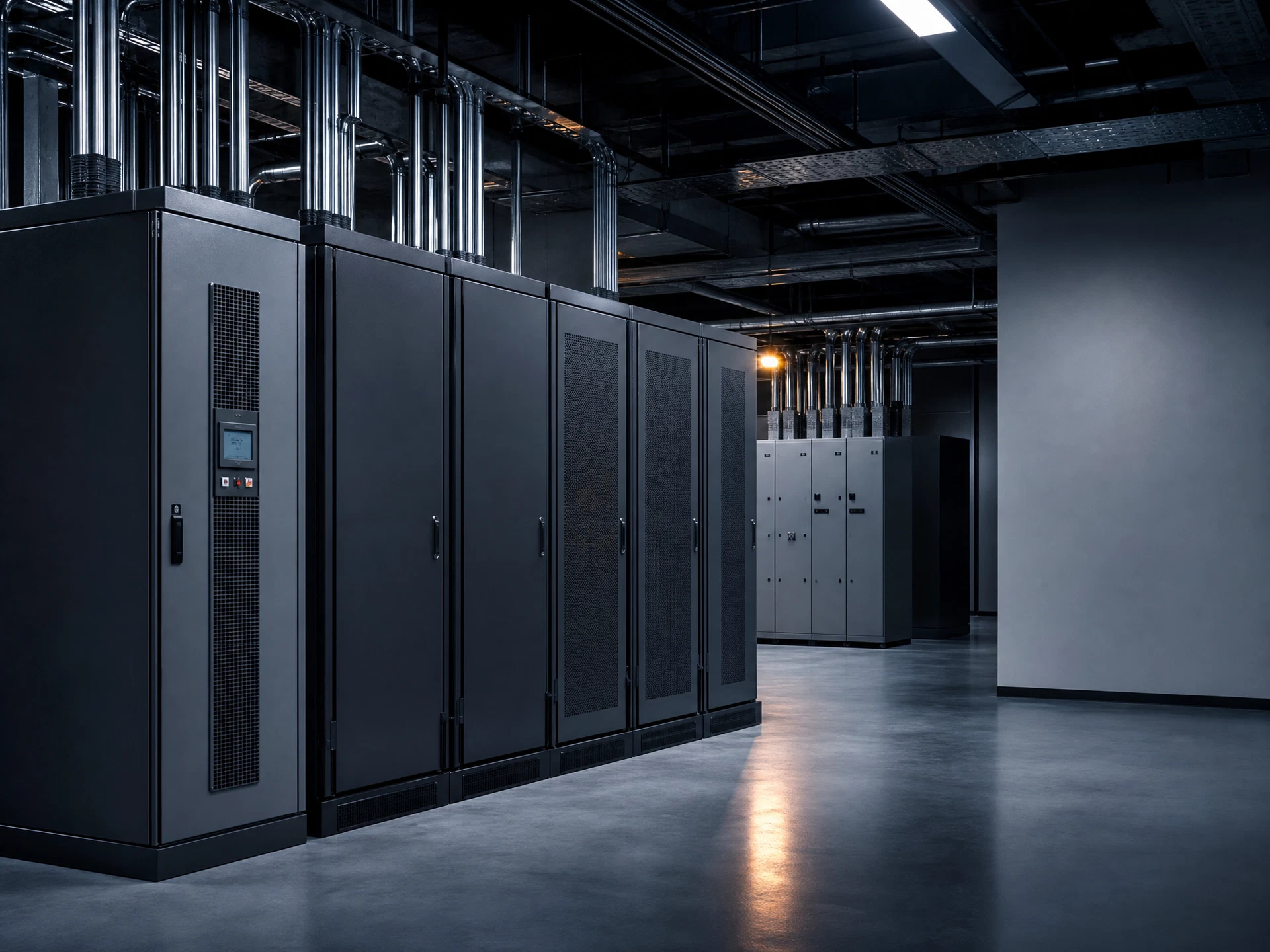
Photo 8070 Supplied UPS equipment photograph · decommissioning
01Document identityExact model, ratings, and components
02Record conditionOperating evidence and installed state
03Qualify scopeWritten terms before work proceeds
Detail / 01
Decision frame for Recycling Options for End-of-Life UPS Systems
A defensible record for Recycling Options for End-of-Life UPS Systems should define one stage of UPS shutdown, disconnection, movement, or transfer planning while keeping qualified responsibilities explicit. The controlling Recycling Options for End-of-Life UPS Systems question is “What are the options if a decommissioned UPS has no resale value?” Its manifest contract states: Explore the recycling options for end-of-life units, focusing on material recovery (copper, steel) and responsible e-waste disposal practices. For Recycling Options for End-of-Life UPS Systems, a catalog reference is supporting evidence rather than proof that an individual cabinet has every feature associated with its family.
The controlling route record links Recycling Options for End-of-Life UPS Systems to decommissioning seller information, decommissioning; the labels define the evidence frame and should not be expanded into facts the source record does not state. Electrical isolation, battery work, rigging, pathway protection, packaging, freight, and restoration may involve different authorized parties. If a Recycling Options for End-of-Life UPS Systems field lacks support, write “unknown” and identify the label, drawing, service record, or controlled observation that could resolve it.
Detail / 02
Recycling Options for End-of-Life UPS Systems evidence record
Recycling Options for End-of-Life UPS Systems identification starts by pairing one asset ID with its manufacturer, model or series, rating data, and readable label images. To organize the record, include quantity, condition, installed state, photographs, nameplate transcriptions, supporting documents, and a clear included-component boundary. If a Recycling Options for End-of-Life UPS Systems field lacks support, write “unknown” and identify the label, drawing, service record, or controlled observation that could resolve it.
The Recycling Options for End-of-Life UPS Systems evidence frame references decommissioning seller information, decommissioning. For Recycling Options for End-of-Life UPS Systems, a catalog reference is supporting evidence rather than proof that an individual cabinet has every feature associated with its family. For Recycling Options for End-of-Life UPS Systems, note when each condition statement was made and whether it comes from direct observation, a record, a photograph, or an unverified report.
Detail / 03
Recycling Options for End-of-Life UPS Systems configuration and condition
Explore the recycling options for end-of-life units, focusing on material recovery (copper, steel) and responsible e-waste disposal practices. For Recycling Options for End-of-Life UPS Systems, the route variables include energized state, shutdown owner, disconnect boundary, cabinet dimensions and weights, route constraints, batteries, packaging, loading, and timing. For Recycling Options for End-of-Life UPS Systems, note when each condition statement was made and whether it comes from direct observation, a record, a photograph, or an unverified report. For Recycling Options for End-of-Life UPS Systems, a catalog reference is supporting evidence rather than proof that an individual cabinet has every feature associated with its family.
Recycling Options for End-of-Life UPS Systems identification starts by pairing one asset ID with its manufacturer, model or series, rating data, and readable label images. For Recycling Options for End-of-Life UPS Systems, note when each condition statement was made and whether it comes from direct observation, a record, a photograph, or an unverified report. When a Recycling Options for End-of-Life UPS Systems fact cannot be captured safely from available records, leave it unresolved and identify the qualified verification boundary.
Detail / 04
Recycling Options for End-of-Life UPS Systems project boundary
Document Recycling Options for End-of-Life UPS Systems project variables before discussing execution: current state, authorized decision maker, qualified work boundaries, access route, handling data, and freight interface. When a Recycling Options for End-of-Life UPS Systems fact cannot be captured safely from available records, leave it unresolved and identify the qualified verification boundary. For Recycling Options for End-of-Life UPS Systems, website language cannot assign payment, electrical work, rigging, batteries, freight, disposal, restoration, or scheduling to a party.
Document Recycling Options for End-of-Life UPS Systems project variables before discussing execution: current state, authorized decision maker, qualified work boundaries, access route, handling data, and freight interface. The page does not authorize work, select a contractor, or promise no-cost removal, pickup, recycling, or disposal. For Recycling Options for End-of-Life UPS Systems, website language cannot assign payment, electrical work, rigging, batteries, freight, disposal, restoration, or scheduling to a party.
Detail / 05
How Recycling Options for End-of-Life UPS Systems connects to the catalog
Navigate Recycling Options for End-of-Life UPS Systems through its visible parent, child, sibling, and process links; each destination answers a different manifest question. This Recycling Options for End-of-Life UPS Systems page uses the decommissioning hub and the neighboring process records that precede or follow this stage; the nearest manifest relationships are decommissioning, recovery decisions, e waste disposal, scrap value.
Navigate Recycling Options for End-of-Life UPS Systems through its visible parent, child, sibling, and process links; each destination answers a different manifest question. A reader can confirm Recycling Options for End-of-Life UPS Systems from the homepage through the visible hierarchy and return through its breadcrumb without relying on a footer link block.
Detail / 06
Qualified next step for Recycling Options for End-of-Life UPS Systems
Redact nonessential sensitive information from Recycling Options for End-of-Life UPS Systems documents while retaining the equipment fields and authorized site facts needed for review. Recycling Options for End-of-Life UPS Systems identification starts by pairing one asset ID with its manufacturer, model or series, rating data, and readable label images. If a Recycling Options for End-of-Life UPS Systems field lacks support, write “unknown” and identify the label, drawing, service record, or controlled observation that could resolve it.
For Recycling Options for End-of-Life UPS Systems, website language cannot assign payment, electrical work, rigging, batteries, freight, disposal, restoration, or scheduling to a party. The Recycling Options for End-of-Life UPS Systems workflow continues only after the submitted identity, configuration, condition, authority, location, and project facts are assessed. When a Recycling Options for End-of-Life UPS Systems fact cannot be captured safely from available records, leave it unresolved and identify the qualified verification boundary.
Recycling Options for End-of-Life UPS Systems / FAQ
Questions about Recycling Options for End-of-Life UPS Systems
Route-specific answers about evidence, boundaries, and the next review step.
What is the first record needed for Recycling Options for End-of-Life UPS Systems?
Recycling Options for End-of-Life UPS Systems identification starts by pairing one asset ID with its manufacturer, model or series, rating data, and readable label images. If a Recycling Options for End-of-Life UPS Systems field lacks support, write “unknown” and identify the label, drawing, service record, or controlled observation that could resolve it.
Which sources frame the Recycling Options for End-of-Life UPS Systems page?
Recycling Options for End-of-Life UPS Systems is framed by decommissioning seller information, decommissioning and by this route contract: Explore the recycling options for end-of-life units, focusing on material recovery (copper, steel) and responsible e-waste disposal practices. For Recycling Options for End-of-Life UPS Systems, a catalog reference is supporting evidence rather than proof that an individual cabinet has every feature associated with its family.
What remains qualified for Recycling Options for End-of-Life UPS Systems?
For Recycling Options for End-of-Life UPS Systems, website language cannot assign payment, electrical work, rigging, batteries, freight, disposal, restoration, or scheduling to a party. The page does not authorize work, select a contractor, or promise no-cost removal, pickup, recycling, or disposal.
What happens after a Recycling Options for End-of-Life UPS Systems submission?
The Recycling Options for End-of-Life UPS Systems workflow continues only after the submitted identity, configuration, condition, authority, location, and project facts are assessed. For Recycling Options for End-of-Life UPS Systems, website language cannot assign payment, electrical work, rigging, batteries, freight, disposal, restoration, or scheduling to a party.
Request / 01
Get your UPS quote
Tell us the brand, exact model, size, quantity, condition, and location. Add equipment and nameplate photos if you have them. After equipment and project details are reviewed, any offer, payment timing, removal responsibilities, freight, and schedule are documented in writing before work proceeds.
Source / Context
Reference links
These links provide equipment and UPS planning context.