
Seller process · topic
UPS Trade-In vs. Independent Buyer
Request a commercial UPS equipment review. Start with the brand, exact model, and size.
UPS Trade-In vs. Independent Buyer is organized to explain one commercial UPS seller-intent decision with a review sequence and written scope boundary. Should I trade in my UPS to the manufacturer or use an independent buyer? The route contract is specific: Compare OEM trade-in programs with independent liquidation, analyzing differences in valuation, removal flexibility, and brand restrictions. After equipment and project details are reviewed, any offer, payment timing, removal responsibilities, freight, and schedule are documented in writing before work proceeds.
- Equipment evidenceSend the brand and exact model
- Written termsPayment timing follows review
- Project evidenceRemoval and freight remain qualified
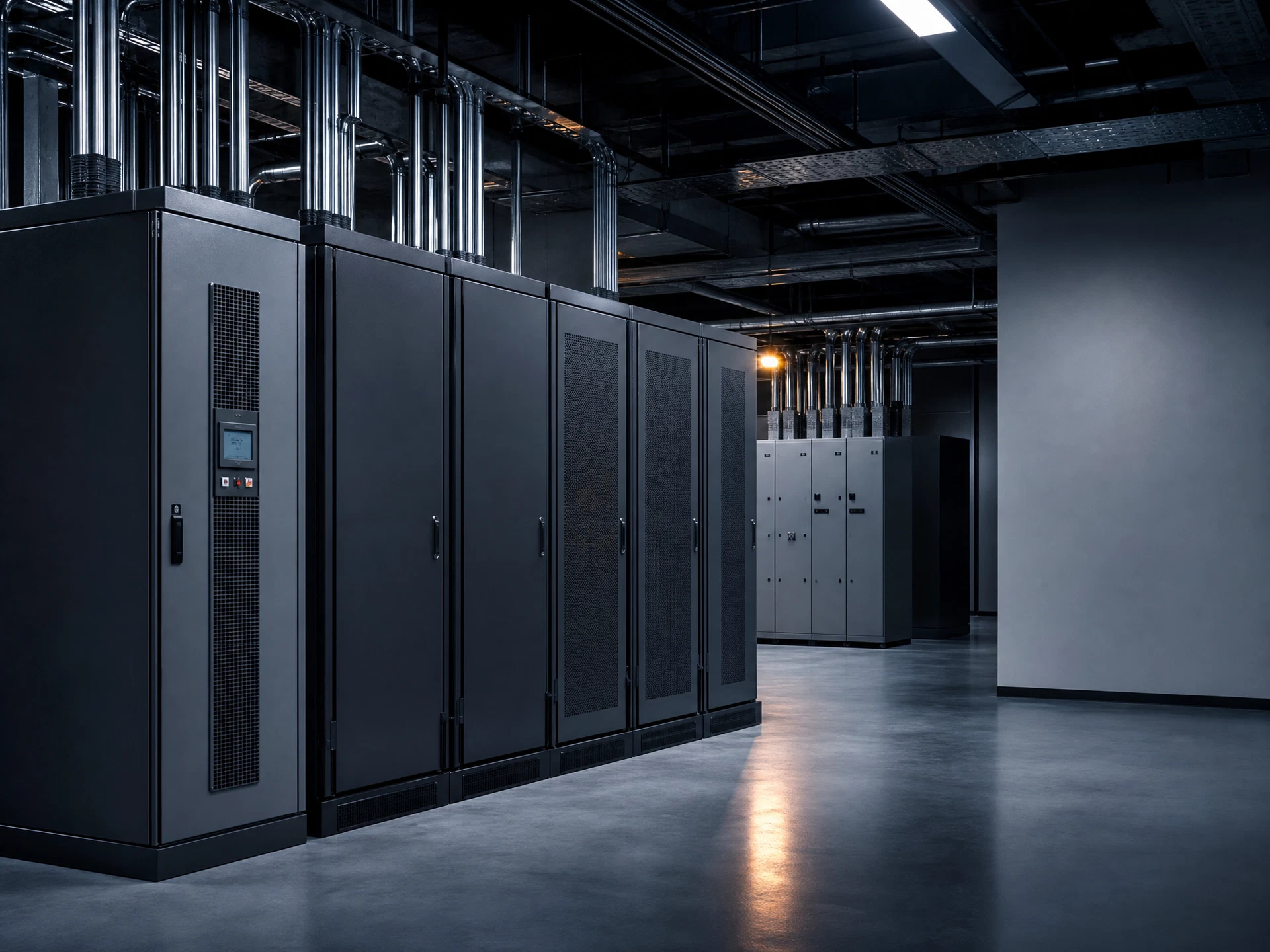
Photo 8070 Supplied UPS equipment photograph · core
01Document identityExact model, ratings, and components
02Record conditionOperating evidence and installed state
03Qualify scopeWritten terms before work proceeds
Detail / 01
Decision frame for UPS Trade-In vs. Independent Buyer
UPS Trade-In vs. Independent Buyer is organized to explain one commercial UPS seller-intent decision with a review sequence and written scope boundary. The controlling UPS Trade-In vs. Independent Buyer question is “Should I trade in my UPS to the manufacturer or use an independent buyer?” Its manifest contract states: Compare OEM trade-in programs with independent liquidation, analyzing differences in valuation, removal flexibility, and brand restrictions. Sources for UPS Trade-In vs. Independent Buyer provide terminology and context, but only a matching label or authorized document should establish a submitted unit's configuration.
The controlling route record links UPS Trade-In vs. Independent Buyer to IT procurement and lifecycle analysis, core, Industry evaluation guides; the labels define the evidence frame and should not be expanded into facts the source record does not state. A buyer inquiry starts with evidence and may lead to questions, a decline, or written terms; it is not an automatic offer or service commitment. An unresolved UPS Trade-In vs. Independent Buyer value should remain explicitly unknown until a matching source, readable plate, or authorized site record answers it.
Detail / 02
UPS Trade-In vs. Independent Buyer evidence record
Treat UPS Trade-In vs. Independent Buyer identity as a documented chain from asset list to cabinet image to nameplate transcription, not as recognition from exterior styling. To separate the record, include quantity, condition, installed state, photographs, nameplate transcriptions, supporting documents, and a clear included-component boundary. An unresolved UPS Trade-In vs. Independent Buyer value should remain explicitly unknown until a matching source, readable plate, or authorized site record answers it.
The UPS Trade-In vs. Independent Buyer evidence frame references IT procurement and lifecycle analysis, core, Industry evaluation guides. Sources for UPS Trade-In vs. Independent Buyer provide terminology and context, but only a matching label or authorized document should establish a submitted unit's configuration. Describe UPS Trade-In vs. Independent Buyer condition with dated observations, seller-reported history, visible alarms or damage, battery information, missing components, and untested items kept separate.
Detail / 03
UPS Trade-In vs. Independent Buyer configuration and condition
Compare OEM trade-in programs with independent liquidation, analyzing differences in valuation, removal flexibility, and brand restrictions. For UPS Trade-In vs. Independent Buyer, the route variables include manufacturer, model, ratings, quantity, condition, completeness, batteries, site status, access, authority, and schedule. Describe UPS Trade-In vs. Independent Buyer condition with dated observations, seller-reported history, visible alarms or damage, battery information, missing components, and untested items kept separate. Sources for UPS Trade-In vs. Independent Buyer provide terminology and context, but only a matching label or authorized document should establish a submitted unit's configuration.
Treat UPS Trade-In vs. Independent Buyer identity as a documented chain from asset list to cabinet image to nameplate transcription, not as recognition from exterior styling. Describe UPS Trade-In vs. Independent Buyer condition with dated observations, seller-reported history, visible alarms or damage, battery information, missing components, and untested items kept separate. Evidence collection for UPS Trade-In vs. Independent Buyer must stop where site authorization, electrical safety, battery controls, access rules, or qualified work begins.
Detail / 04
UPS Trade-In vs. Independent Buyer project boundary
The UPS Trade-In vs. Independent Buyer project file should identify operating state, shutdown authority, disconnect boundary, battery responsibility, pathway, dimensions, documented weights, loading, and requested timing. Evidence collection for UPS Trade-In vs. Independent Buyer must stop where site authorization, electrical safety, battery controls, access rules, or qualified work begins. For UPS Trade-In vs. Independent Buyer, no commercial or project outcome is automatic; written terms follow review of the equipment evidence and site scope.
The UPS Trade-In vs. Independent Buyer project file should identify operating state, shutdown authority, disconnect boundary, battery responsibility, pathway, dimensions, documented weights, loading, and requested timing. No payment timing, removal duty, freight allocation, or acceptance follows from a web page or form submission. For UPS Trade-In vs. Independent Buyer, no commercial or project outcome is automatic; written terms follow review of the equipment evidence and site scope.
Detail / 05
How UPS Trade-In vs. Independent Buyer connects to the catalog
The UPS Trade-In vs. Independent Buyer hierarchy starts at the homepage, passes through its family or manufacturer parent, and uses contextual links for adjacent decisions. This UPS Trade-In vs. Independent Buyer page uses the seller-process hub, equipment records, technical guidance, and project-planning resources; the nearest manifest relationships are sell ups systems, ups liquidation process, where to sell data center ups.
The UPS Trade-In vs. Independent Buyer hierarchy starts at the homepage, passes through its family or manufacturer parent, and uses contextual links for adjacent decisions. A reader can resolve UPS Trade-In vs. Independent Buyer from the homepage through the visible hierarchy and return through its breadcrumb without relying on a footer link block.
Detail / 06
Qualified next step for UPS Trade-In vs. Independent Buyer
A UPS Trade-In vs. Independent Buyer evidence package should be relevant and minimal, with credentials, restricted plans, tenant information, and unrelated records removed. Treat UPS Trade-In vs. Independent Buyer identity as a documented chain from asset list to cabinet image to nameplate transcription, not as recognition from exterior styling. An unresolved UPS Trade-In vs. Independent Buyer value should remain explicitly unknown until a matching source, readable plate, or authorized site record answers it.
For UPS Trade-In vs. Independent Buyer, no commercial or project outcome is automatic; written terms follow review of the equipment evidence and site scope. The UPS Trade-In vs. Independent Buyer inquiry remains a review record until evidence and project details justify a documented next action. Evidence collection for UPS Trade-In vs. Independent Buyer must stop where site authorization, electrical safety, battery controls, access rules, or qualified work begins.
UPS Trade-In vs. Independent Buyer / FAQ
Questions about UPS Trade-In vs. Independent Buyer
Route-specific answers about evidence, boundaries, and the next review step.
What is the first record needed for UPS Trade-In vs. Independent Buyer?
Treat UPS Trade-In vs. Independent Buyer identity as a documented chain from asset list to cabinet image to nameplate transcription, not as recognition from exterior styling. An unresolved UPS Trade-In vs. Independent Buyer value should remain explicitly unknown until a matching source, readable plate, or authorized site record answers it.
Which sources frame the UPS Trade-In vs. Independent Buyer page?
UPS Trade-In vs. Independent Buyer is framed by IT procurement and lifecycle analysis, core, Industry evaluation guides and by this route contract: Compare OEM trade-in programs with independent liquidation, analyzing differences in valuation, removal flexibility, and brand restrictions. Sources for UPS Trade-In vs. Independent Buyer provide terminology and context, but only a matching label or authorized document should establish a submitted unit's configuration.
What remains qualified for UPS Trade-In vs. Independent Buyer?
For UPS Trade-In vs. Independent Buyer, no commercial or project outcome is automatic; written terms follow review of the equipment evidence and site scope. No payment timing, removal duty, freight allocation, or acceptance follows from a web page or form submission.
What happens after a UPS Trade-In vs. Independent Buyer submission?
The UPS Trade-In vs. Independent Buyer inquiry remains a review record until evidence and project details justify a documented next action. For UPS Trade-In vs. Independent Buyer, no commercial or project outcome is automatic; written terms follow review of the equipment evidence and site scope.
Request / 01
Get your UPS quote
Tell us the brand, exact model, size, quantity, condition, and location. Add equipment and nameplate photos if you have them. After equipment and project details are reviewed, any offer, payment timing, removal responsibilities, freight, and schedule are documented in writing before work proceeds.
Source / Context
Reference links
These links provide equipment and UPS planning context.